Creating a peaceful atmosphere in a hotel is essential to offering guests a true retreat from the stresses of everyday life. Whether it’s a cosy indoor nook or a lush garden lounge, incorporating Zen-inspired design elements can transform a hotel space into a serene oasis. Zen design, rooted in simplicity, harmony with nature, and minimalism, encourages relaxation and mindfulness, providing the perfect setting for guests to unwind.
In this article, we’ll explore how you can incorporate Zen-inspired décor and design into various areas of a hotel. From tranquil indoor water features to serene outdoor seating areas, these design ideas will help you create an unforgettable and calming experience for your guests.
1. Simplicity and Minimalism in Room Design
At the heart of Zen design is simplicity and minimalism. A Zen-inspired hotel room should be uncluttered and free of unnecessary décor, with a focus on clean lines, natural materials, and neutral colour palettes. This not only enhances the aesthetic appeal but also promotes a sense of calm and relaxation.
Neutral Colours: Use soft, muted tones like beige, white, light grey, and earthy shades to create a peaceful ambiance. These colours are known for their calming effect and help to create a space that feels open and serene. Avoid loud, bright colours, which can be overstimulating.
Read More: Installing a Concrete Driveway for Curb Appeal
Natural Materials: Incorporating natural elements is essential in Zen design. Opt for furniture made from wood, stone, or bamboo, and choose soft, organic fabrics like linen or cotton for bedding and curtains. These materials add warmth to the space and create a more grounded, natural environment.
Less is More: Keep the décor minimal. Choose a few statement pieces, such as a simple piece of art or a small sculpture, rather than filling the room with items. This minimalist approach creates a sense of spaciousness, which is key to the Zen aesthetic.
2. Tranquil Indoor Water Features
Water is a central element in Zen design, symbolising purity and flow. Introducing an indoor water feature in communal areas like the hotel lobby, spa, or relaxation lounge can instantly create a calming atmosphere.
Fountains: A small, indoor fountain can serve as a beautiful focal point while providing the soothing sound of flowing water, which helps to reduce stress and promote relaxation. You can choose from a variety of designs, such as stone fountains, wall-mounted water features, or even a tabletop fountain for smaller spaces.
Water Walls: For a more dramatic impact, consider incorporating a water wall into the lobby or spa area. Water cascading down a vertical surface not only looks stunning but also adds a sense of tranquillity and movement to the space.
The sound of flowing water helps to mask unwanted noise, creating a peaceful environment where guests can escape the hustle and bustle of everyday life.
3. Zen-Inspired Outdoor Spaces
An essential aspect of Zen design is the seamless connection between indoor and outdoor spaces. Creating serene outdoor areas where guests can relax and enjoy nature is key to achieving a balanced and calming atmosphere. Whether you have a small courtyard or a large garden, there are several ways to create a tranquil outdoor retreat.
Serene Outdoor Seating Areas
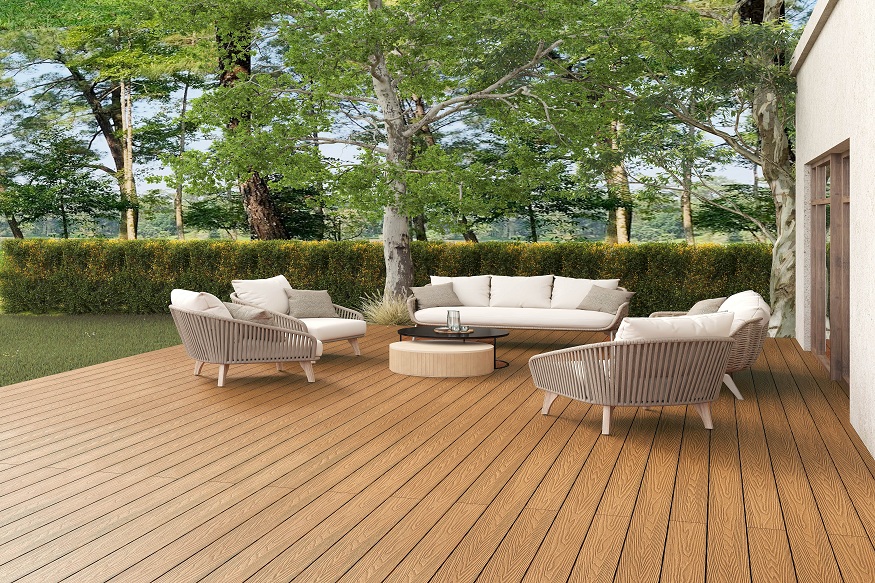
Comfortable seating areas are essential for outdoor relaxation. Opt for simple, low-profile furniture made from natural materials like wood or rattan. Consider adding cushions or throws in neutral colours for extra comfort and warmth.
Position the seating to encourage views of natural elements like trees, plants, or water features. This connection to nature helps guests feel more grounded and at peace.
Incorporating Composite Decking
If your outdoor space includes a deck or terrace, consider using composite decking to enhance both the aesthetic and functional aspects of the design. Composite decking, made from a blend of wood fibres and recycled plastic, offers a durable and low-maintenance option that complements Zen design principles.
With its natural wood-like appearance and eco-friendly qualities, composite decking helps to create a seamless connection between the indoor and outdoor spaces while promoting sustainability. The decking’s smooth, clean lines and natural hues also contribute to a harmonious, uncluttered look—perfect for a Zen-inspired setting.
Lush Garden Lounges
Zen gardens are renowned for their ability to promote mindfulness and relaxation. A garden lounge, designed with Zen principles in mind, can be a peaceful retreat for guests. Consider incorporating elements like:
- Gravel Paths or Sand Gardens: Use raked gravel or sand to create patterns that mimic the flow of water. This is a classic feature in Zen gardens and provides a sense of calm and order. Guests can interact with the sand garden, raking it themselves for a meditative experience.
- Stone Lanterns and Sculptures: Stone is a central element in Zen gardens, symbolising permanence and strength. Adding stone lanterns, pagodas, or statues can enhance the serene atmosphere.
- Natural Greenery: Use native plants, trees, and bamboo to create a lush, green environment. Bamboo is particularly associated with Zen design and brings a sense of peace and tranquillity. Choose plants that are easy to maintain and have a calming aesthetic.
- Water Features: A small pond or fountain in your outdoor area can help create a soothing soundscape while adding to the natural beauty of the garden.
4. Mindful Lighting for a Peaceful Atmosphere
Lighting plays a significant role in creating a peaceful, Zen-inspired environment. The goal is to use soft, diffused lighting to enhance the relaxing ambiance without being harsh or overpowering.
Natural Light: Maximise the use of natural light by incorporating large windows or skylights. Natural light promotes well-being and helps to create a sense of openness and space.
Soft, Warm Lighting: Use warm-toned bulbs and dimmable lights to create a cosy, inviting atmosphere. Avoid overhead lighting that can feel too harsh; instead, opt for floor lamps, table lamps, or wall sconces that cast a gentle glow.
Candles and Lanterns: Incorporating candles or lanterns can add a flickering, calming light to both indoor and outdoor spaces. Battery-powered LED candles are a great option for safety and convenience.
5. Creating a Sense of Flow and Harmony
In Zen design, flow and harmony are central concepts. The layout of your hotel spaces should encourage ease of movement and a sense of calm. Avoid cluttered or cramped layouts, which can create a feeling of chaos.
Open Spaces: Keep pathways clear and furniture arrangements simple to allow guests to move freely and feel at ease. An open, airy layout promotes a sense of balance and tranquillity.
Read More: Escape the Commute: Build Your Own Log Cabin Office in Your Garden
Cohesive Design: Ensure that the design elements of your indoor and outdoor spaces complement each other. Use similar colours, materials, and textures to create a harmonious flow between spaces, encouraging relaxation throughout the hotel.
For wider commercial, hospitality, or public-facing projects, small supporting details can make the finished space feel more complete. Hand dryers can support cleaner, more efficient washroom facilities; while traditional signage can add character, direction, and brand presence; while digital signage can share changing information, promotions, menus, or wayfinding updates clearly.
Conclusion
Designing a Zen-inspired hotel space, whether indoors or outdoors, is all about creating a peaceful retreat where guests can escape from the demands of everyday life. By focusing on simplicity, natural elements, and mindful design, you can transform your hotel into a haven of tranquillity. From incorporating water features and lush garden lounges to using eco-friendly materials like composite decking, every element contributes to an environment that fosters relaxation and rejuvenation.
By creating spaces that connect with nature and soothe the senses, you’ll offer guests an unforgettable, calming experience that will leave them feeling refreshed and recharged.